 rotary jointsrotary joints
Search the whole station
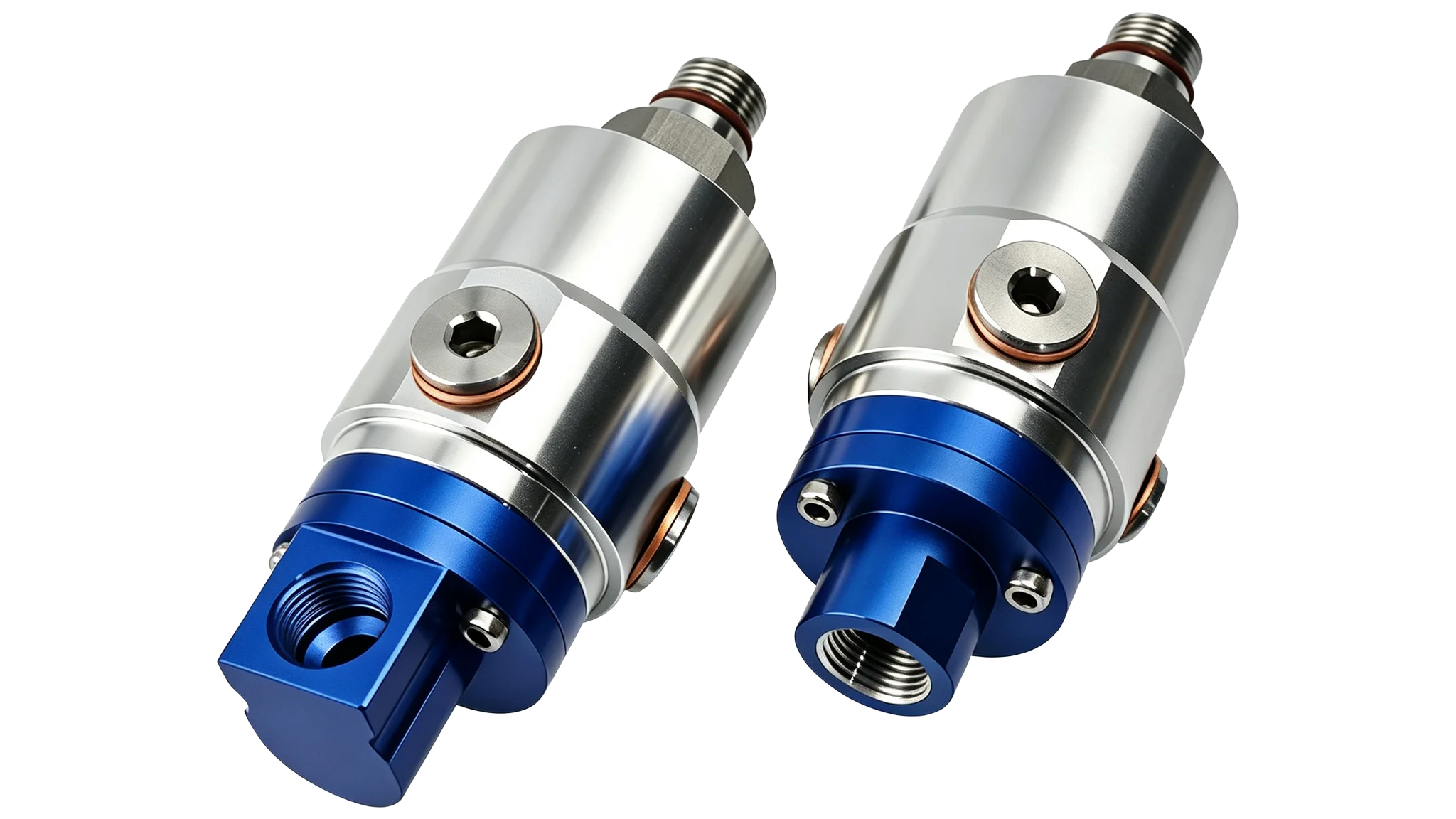
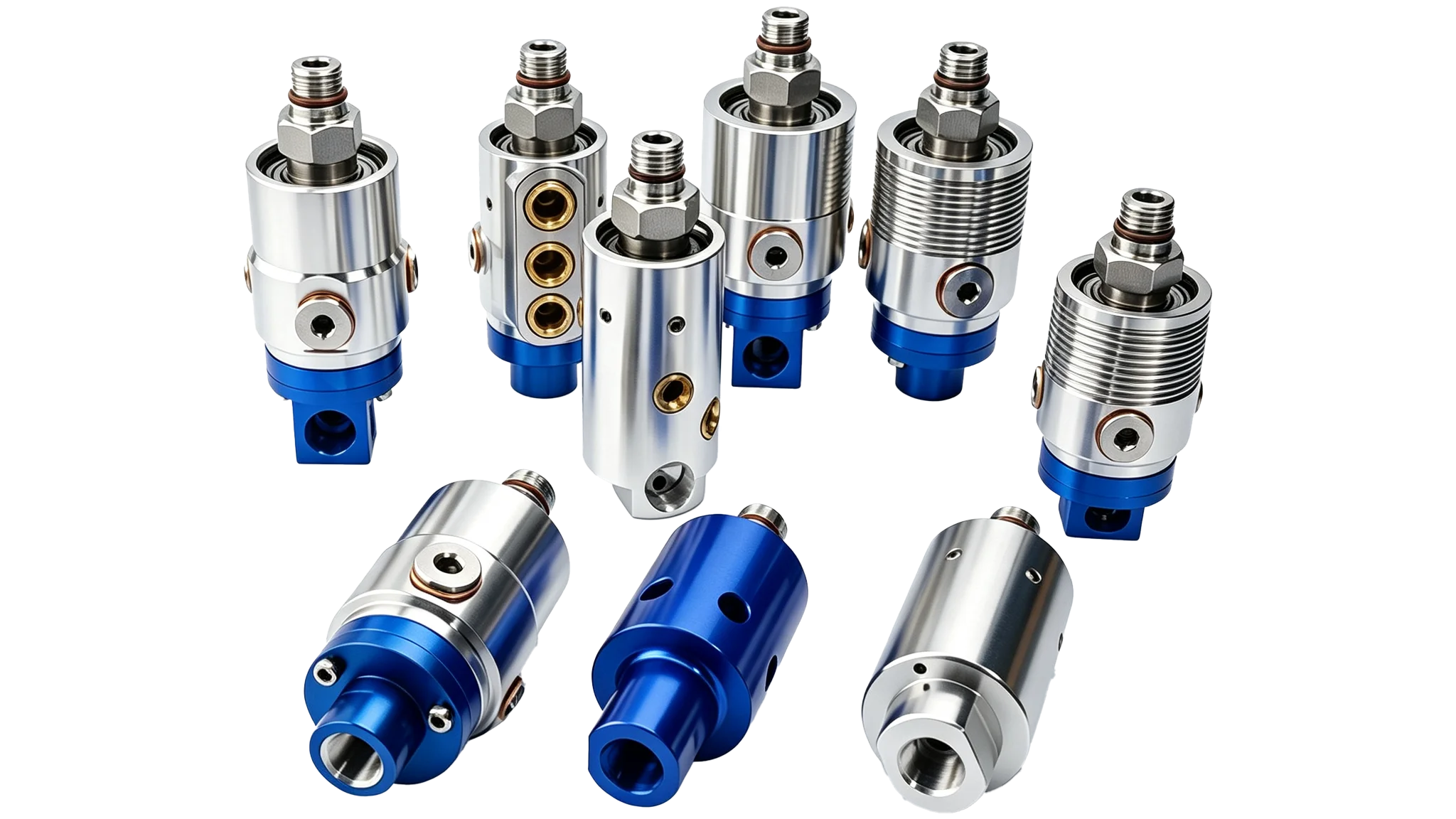
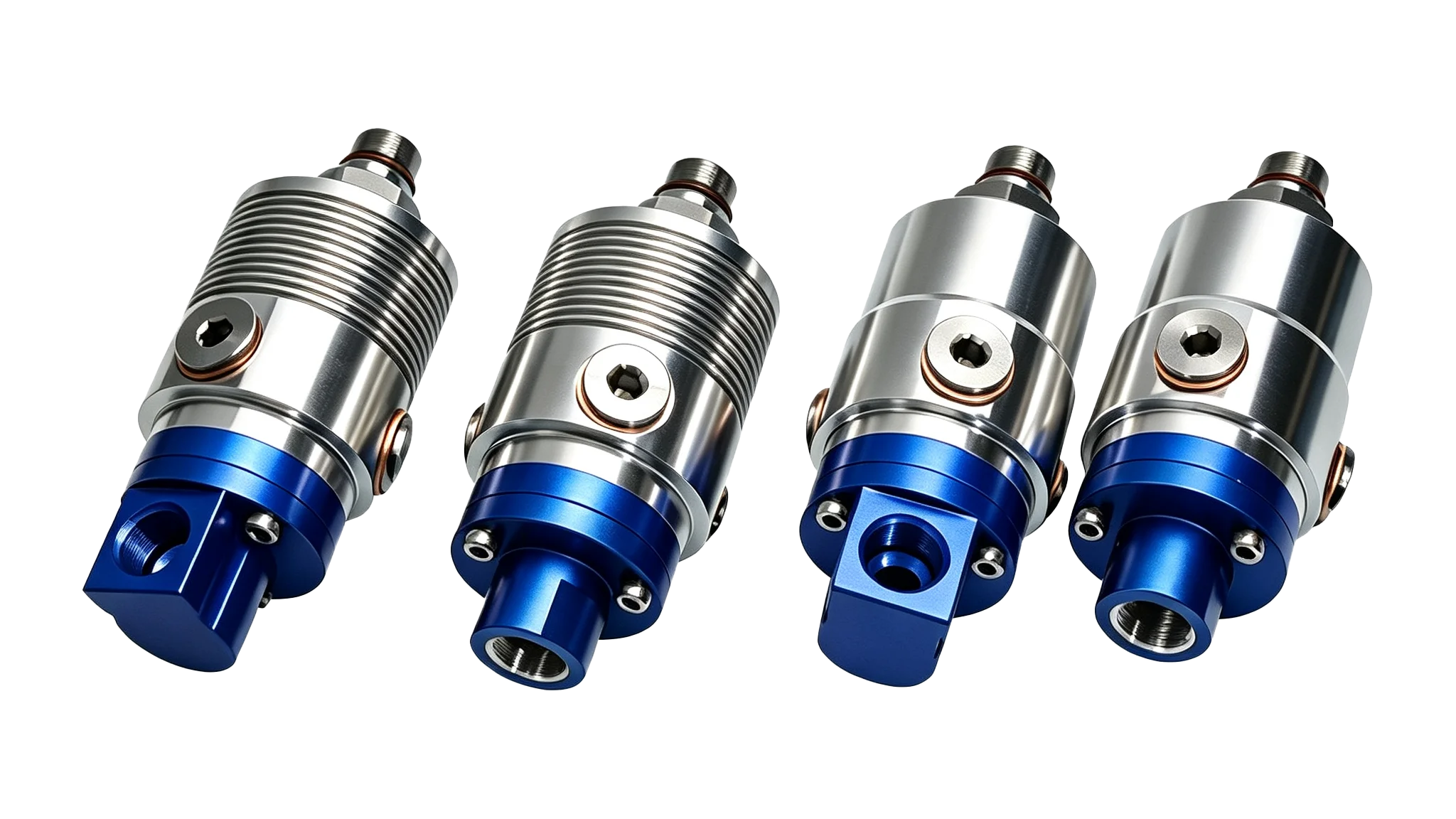
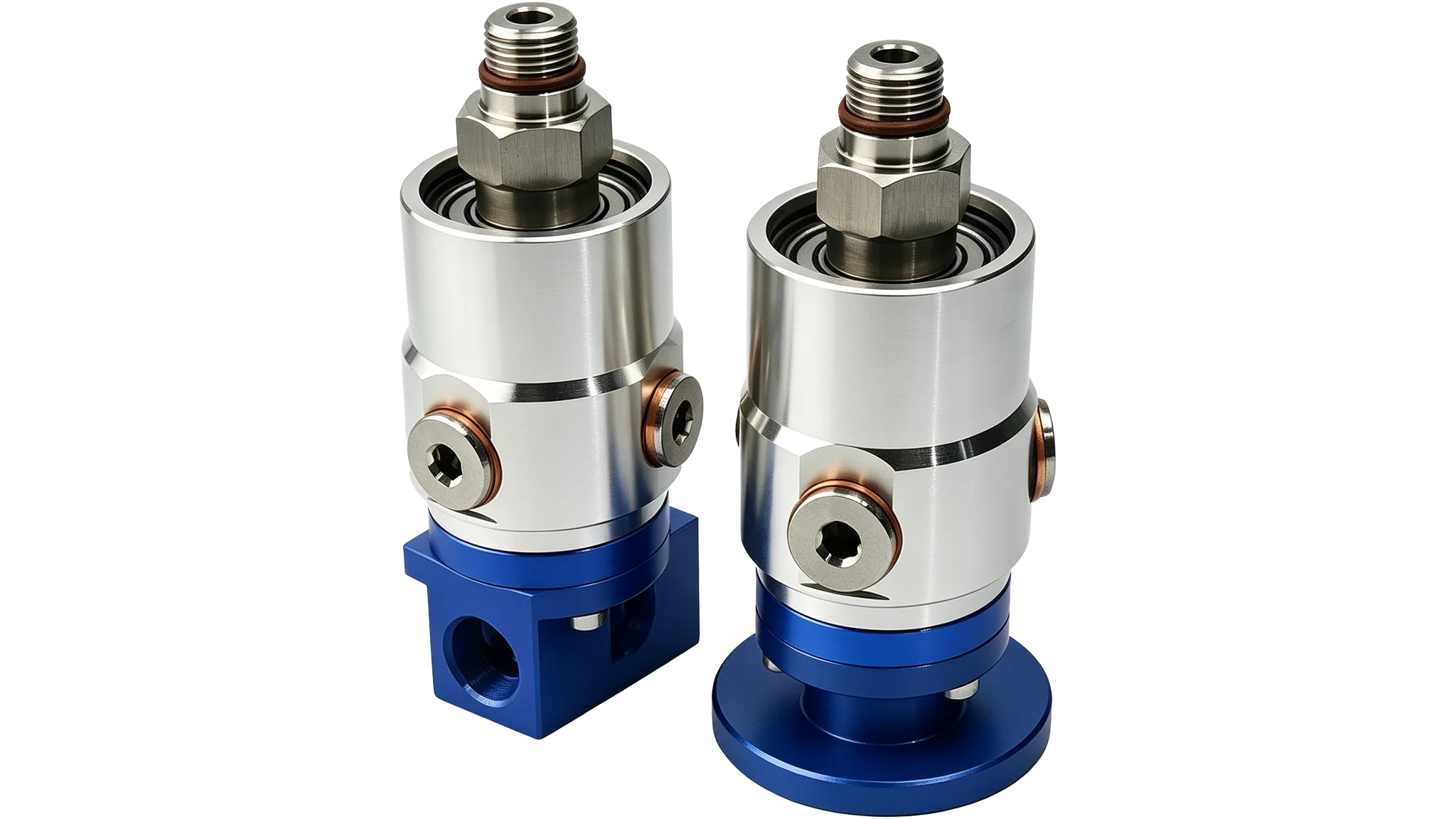
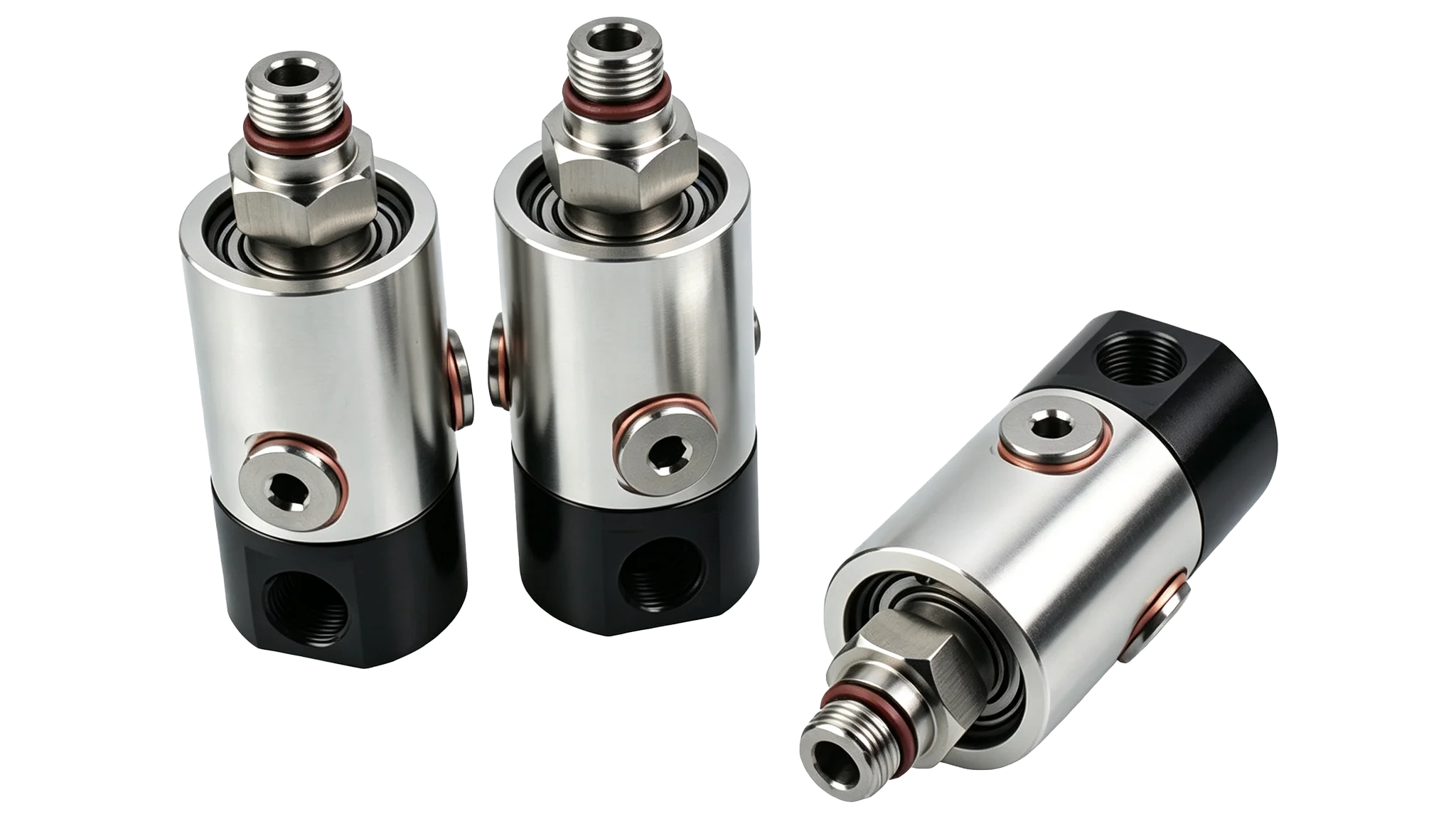
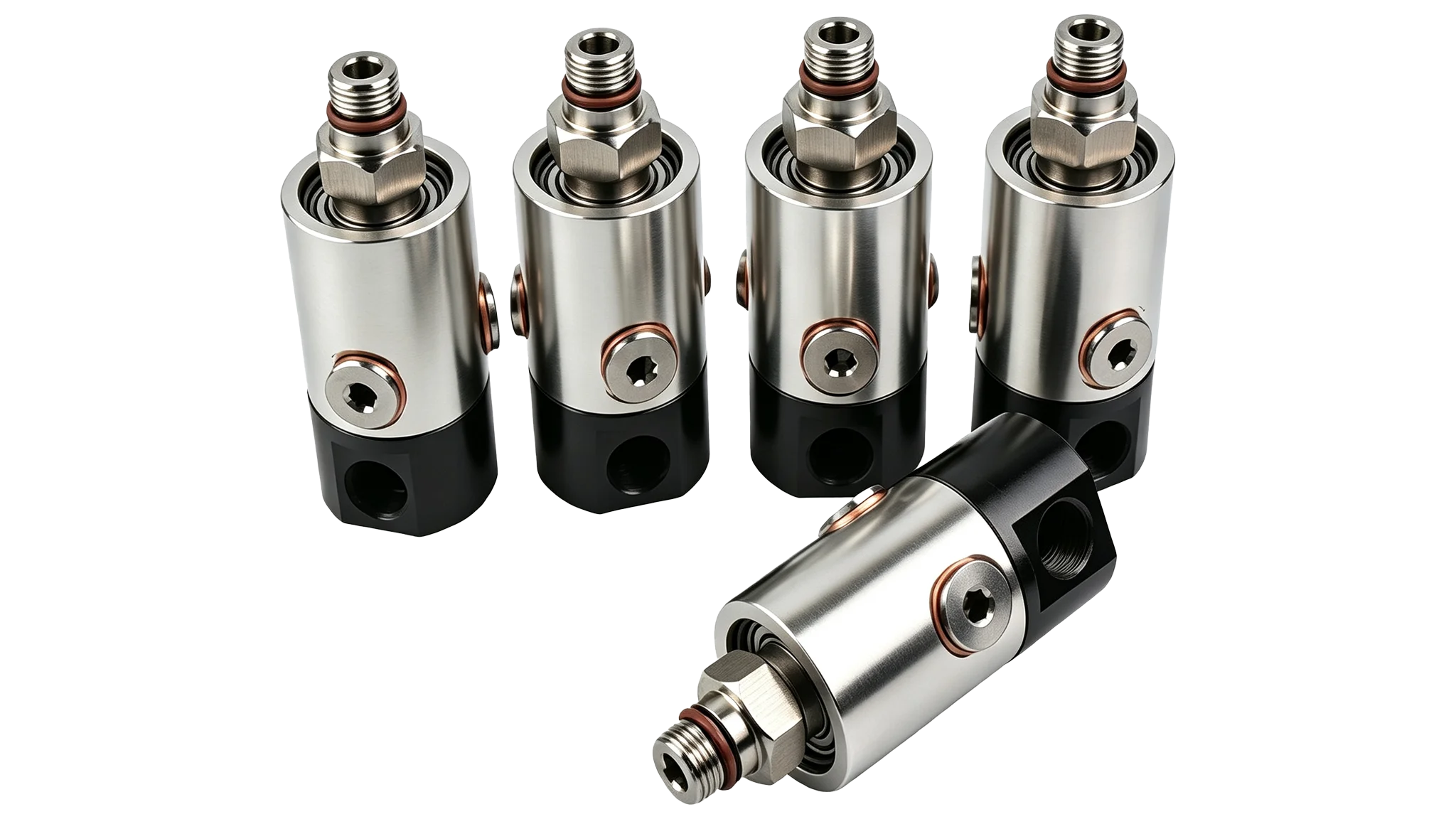
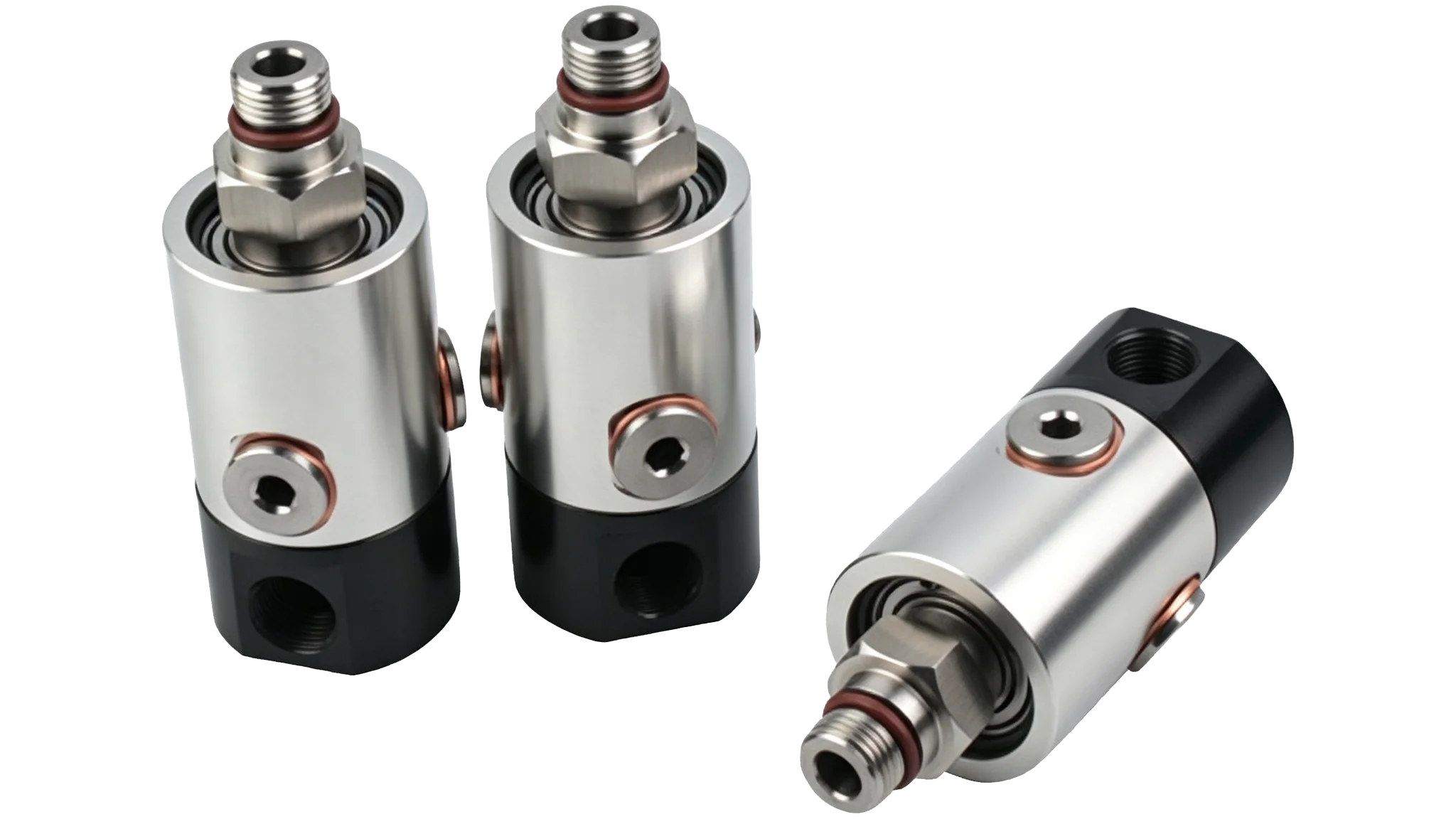
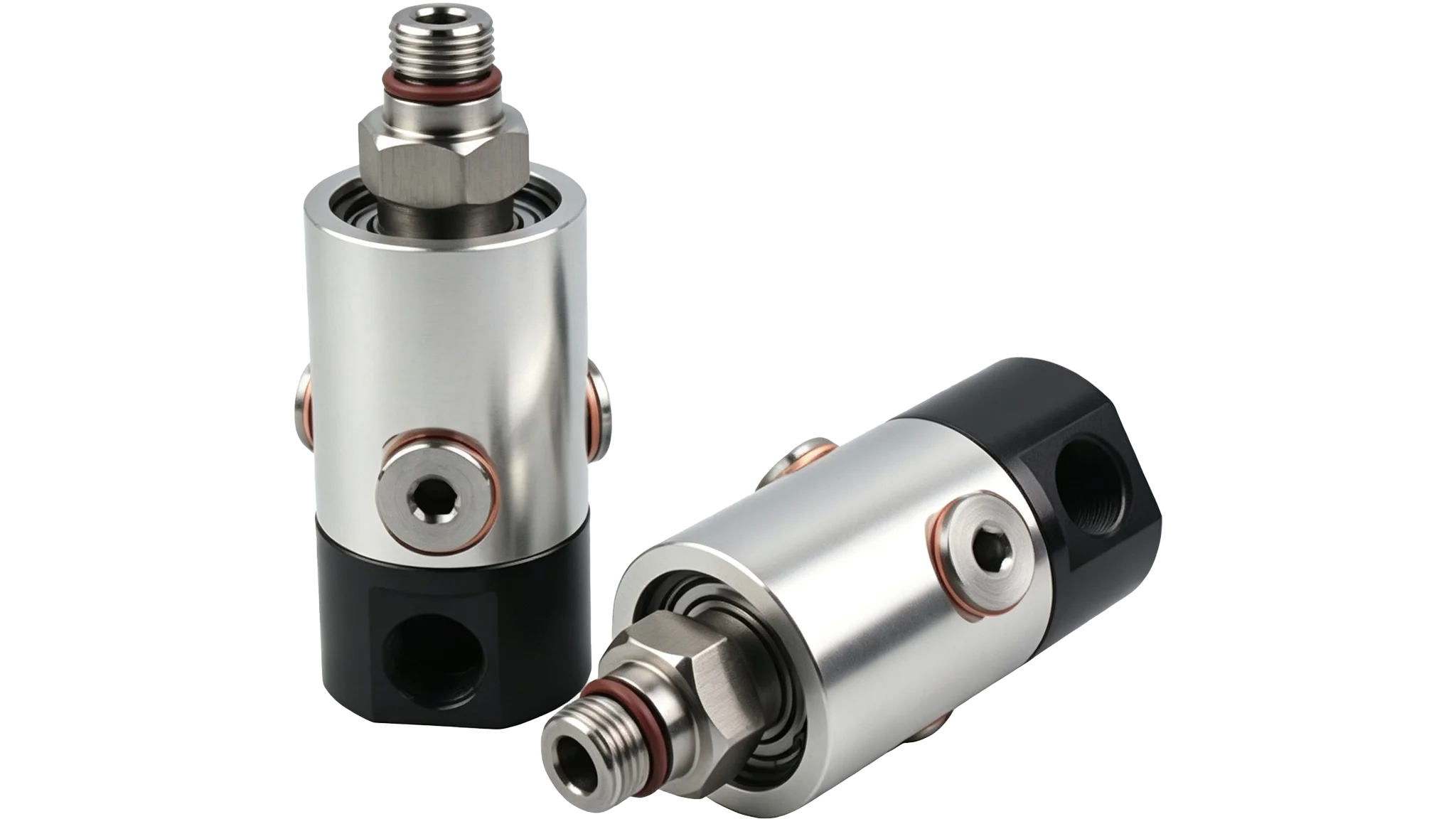
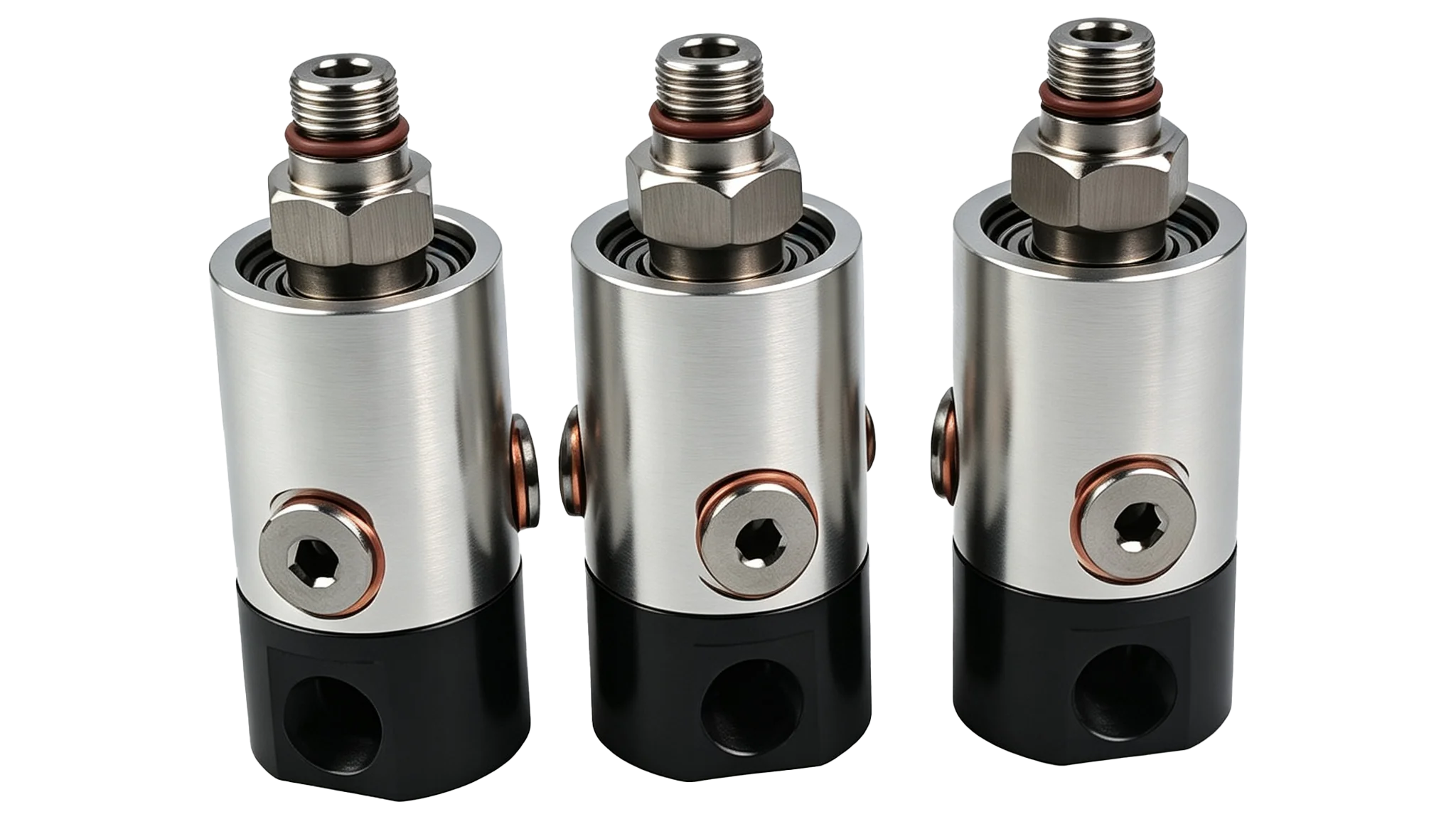
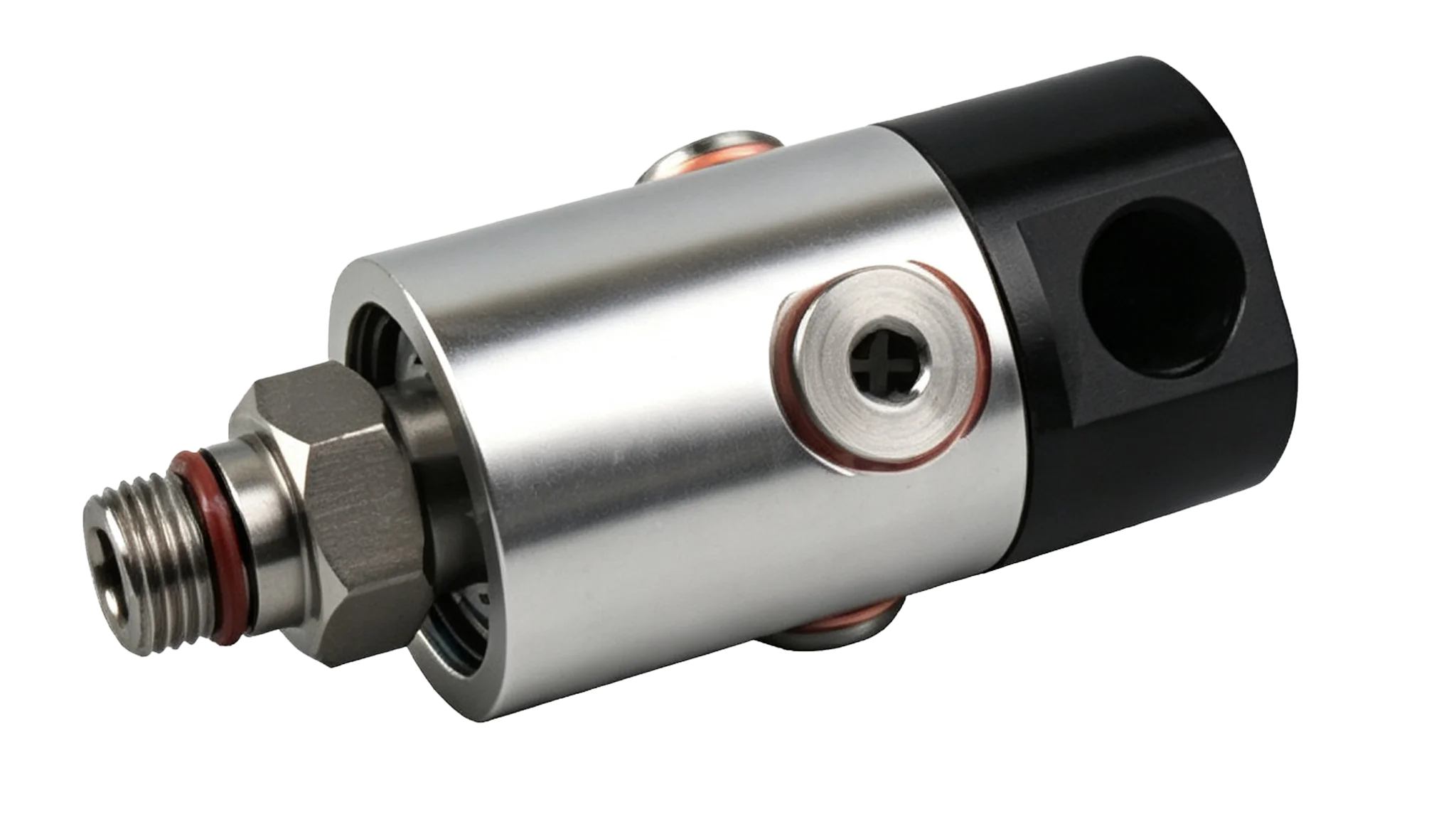
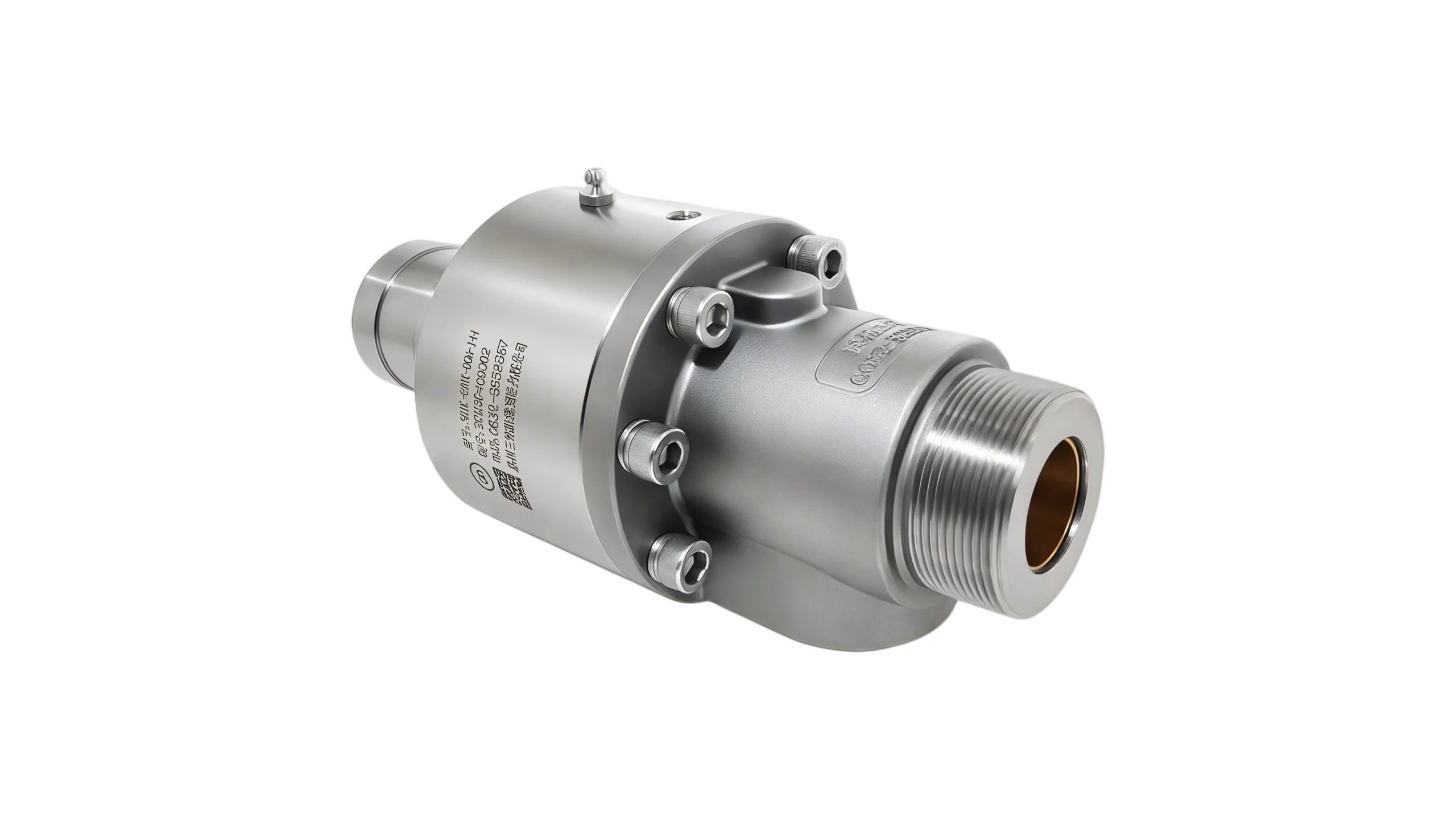
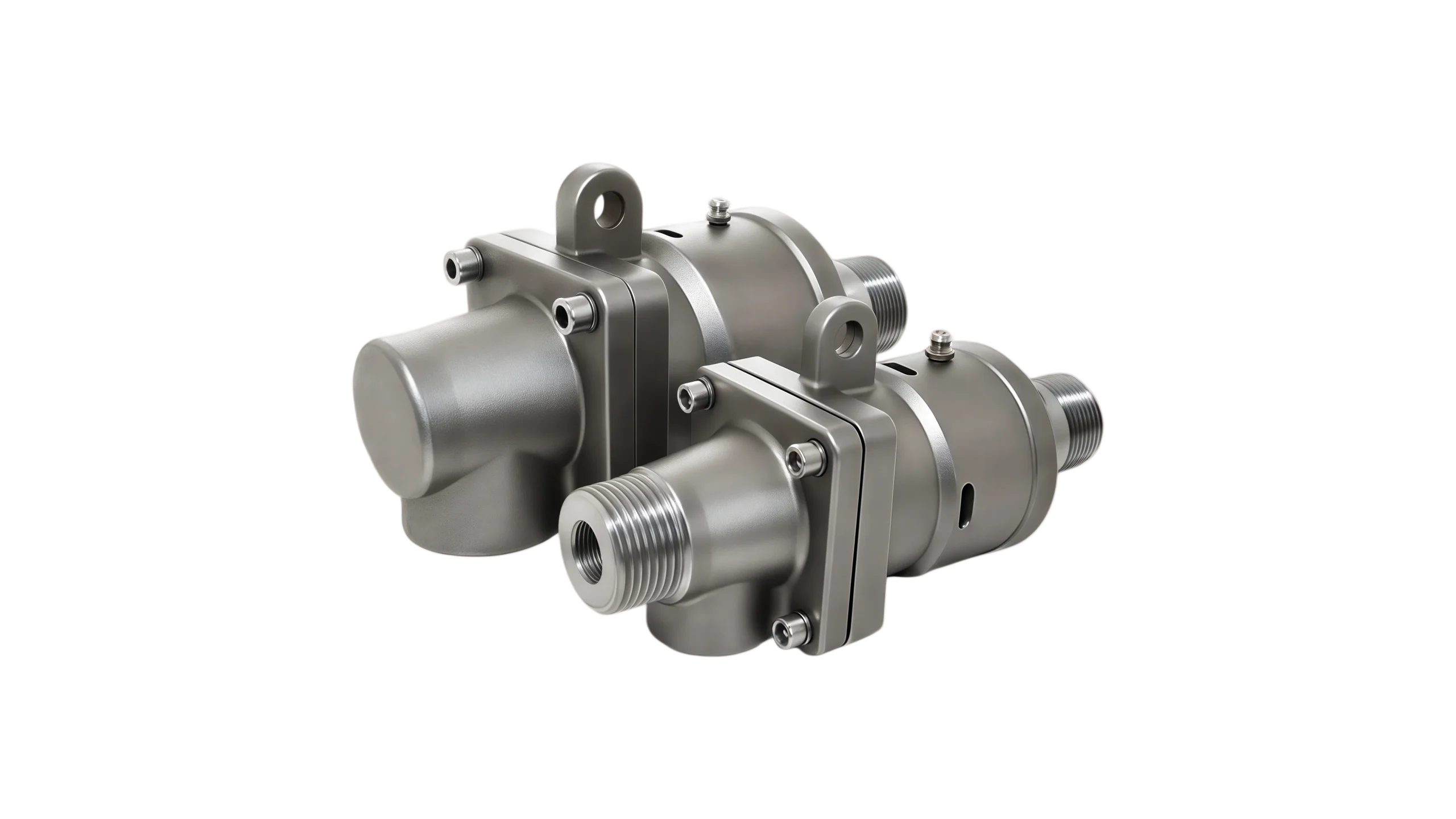
The 902 series is a single channel “detachable” rotary joint designed for machine tool coolant or MQL (micro lubrication) working conditions, with the core feature of Pop Off ™ Technology can achieve infinite dry operation without medium pressure, preventing seal damage.
Machining center and gun drilling machine rotary joint
Product specifications: 1116-610-463
1101-235-343
1129-036-301
1109-021-188
902-020-188
902-020-187
Product advantages: High speed: 15000-20000 revolutions per minute
Model 1117; 1129; 1101; 1116; 1109; 902 series
Material: Steel rotor, anodized aluminum shell, silicon carbide seal
Connection type ribbed
Applicable range: coolant, high temperature of 160, pressure of 1000-2000PSI, speed of 10000-25000
Model 902-120-188
Material: anodized aluminum shell/steel rotor
Specification 3/8
Nominal diameter 49 (mm)
Connection type ribbed
Scope of application: All media
Selection guide for joints used in machining centers and automated production lines
Used for automatic lines with bearing rotary joints
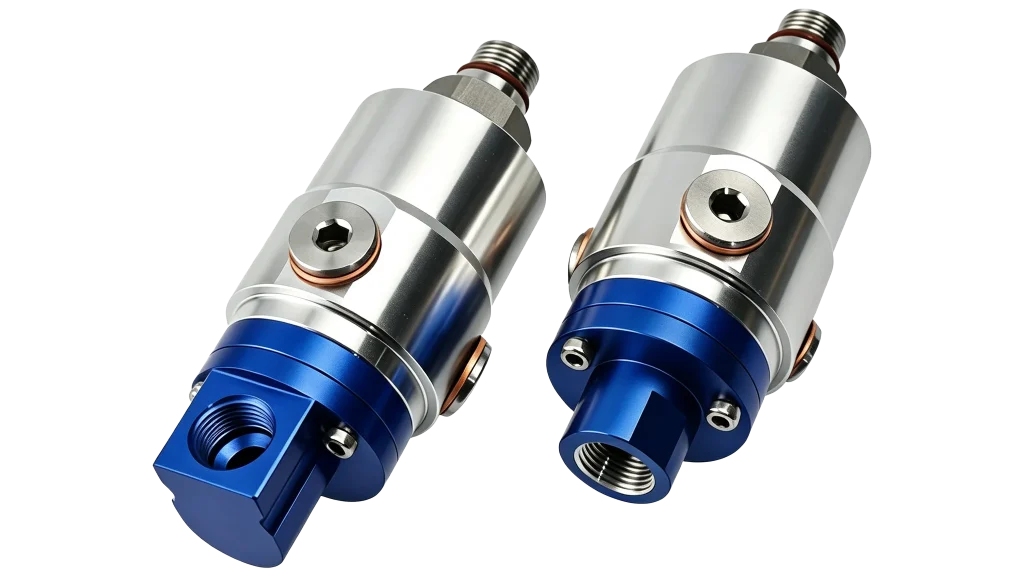
When it comes to maintaining peak performance in industrial fluid transfer, the 902 series rotary joint stands out as an industry favorite. Engineered for reliability, this component seamlessly transfers fluids between stationary piping and rotating machinery. Whether you are upgrading an existing system or establishing a new production line, understanding the intricacies of this specialized equipment is crucial for long-term operational success.
At the heart of this equipment is an advanced rotary joint design tailored to handle demanding industrial environments. When selecting a unit, engineers often conduct a monoflow vs duoflow design comparison to determine whether fluid needs to enter and exit from the same end or flow straight through. The 902 series rotary joint excels in high-speed water service union applications, proving especially valuable when increasing efficiency in rotating drum cooling systems.
To ensure seamless integration, operators must consider their facility’s plumbing standards. Choosing between NPT thread vs BSP connection types depends largely on regional infrastructure and existing piping. Furthermore, stainless steel rotor durability factors play a massive role in corrosion resistance, allowing these joints to operate safely at the maximum pressure ratings for industrial unions without risking structural integrity.
A common question among facility managers is how to maximize carbon graphite bearing life expectancy. Because these bearings are self-lubricating, precision alignment during the installation steps for self-supported unions is critical to avoid placing undue lateral stress on the joint.
Temperature management is equally important. Preventing thermal shock in rotating joints ensures that rapid temperature fluctuations do not fracture internal components. Understanding what causes premature seal ring failure—such as abrasive particles in the fluid, dry running, or excessive vibration—can save your facility thousands of dollars in unscheduled downtime. When assessing these internal mechanisms, engineers frequently weigh the benefits of a bellows seal vs spring-loaded design, ultimately relying on the robust sealing technology of the 902 series to adapt to varying operational pressures.
Routine high speed water service rotating union maintenance is the best way to keep your equipment running smoothly. If you spot a puddle on the facility floor, troubleshooting fluid leaks in swivel joints should be your immediate priority, as leaks usually point to worn-out internal seals.
Here are a few quick actionable repair tips:
Investing in a 902 series rotary joint guarantees robust, continuous performance for your industrial fluid transfer needs. By understanding its core design elements, adhering to strict maintenance schedules, and knowing exactly how to troubleshoot potential issues, you can significantly extend the life of your machinery. Stay proactive, and your rotating joints will deliver consistent efficiency for years to come.
A rotary joint is a sealing device that connects stationary pipelines and rotating equipment, achieving leak free fluid transmission under 360 ° rotation. It allows fluid media to flow smoothly between fixed pipelines and rotating machines, and is a key component in industrial equipment
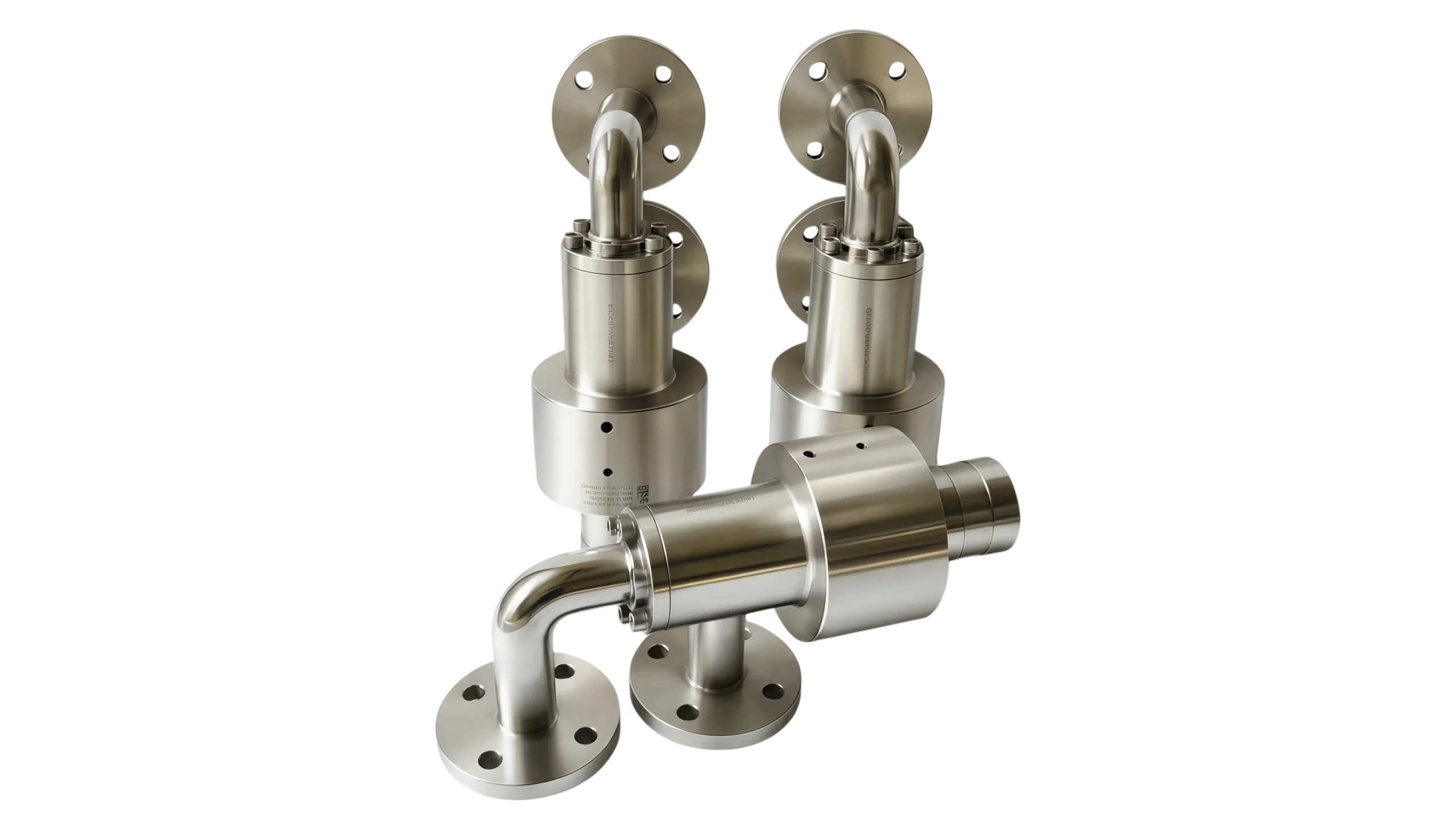
F90 swivel unions Transporting equipment components from a fixed pipeline system to high-speed rotating or reciprocating motion
Q32 swivel unions
JD40 rotary joint is a key sealing component in industrial fluid transmission systems, usually referring to a rotary connection device with a diameter of DN40 (or corresponding British caliber). As a transitional sealing device that transports fluid media (such as water, steam, hydraulic oil, thermal oil, compressed air, etc.) from static pipelines to dynamic rotating or swinging equipment